Nutrition Assistance Programs: SNAP, WIC and School Meals
Nutrition assistance programs help millions of households put food on the table — SNAP for groceries, WIC for pregnant women and young children, school meals for students, and senior meal programs for older adults. This guide explains each program, who qualifies, how much help you can get, and how to apply, so you can use every program you are eligible for. To check whether you might qualify for SNAP, the largest of these programs, use the SNAP Eligibility Screener.
What nutrition assistance programs are
When the grocery budget runs short, nutrition assistance programs are the federal and state programs that help households buy food or receive it directly. The U.S. Department of Agriculture runs them through its Food and Nutrition Service, together with state agencies. The programs fit together: SNAP is the main monthly benefit, WIC supports young children and mothers, school meals and Summer EBT feed children, TEFAP supplies food banks, and the Commodity Supplemental Food Program supports seniors.
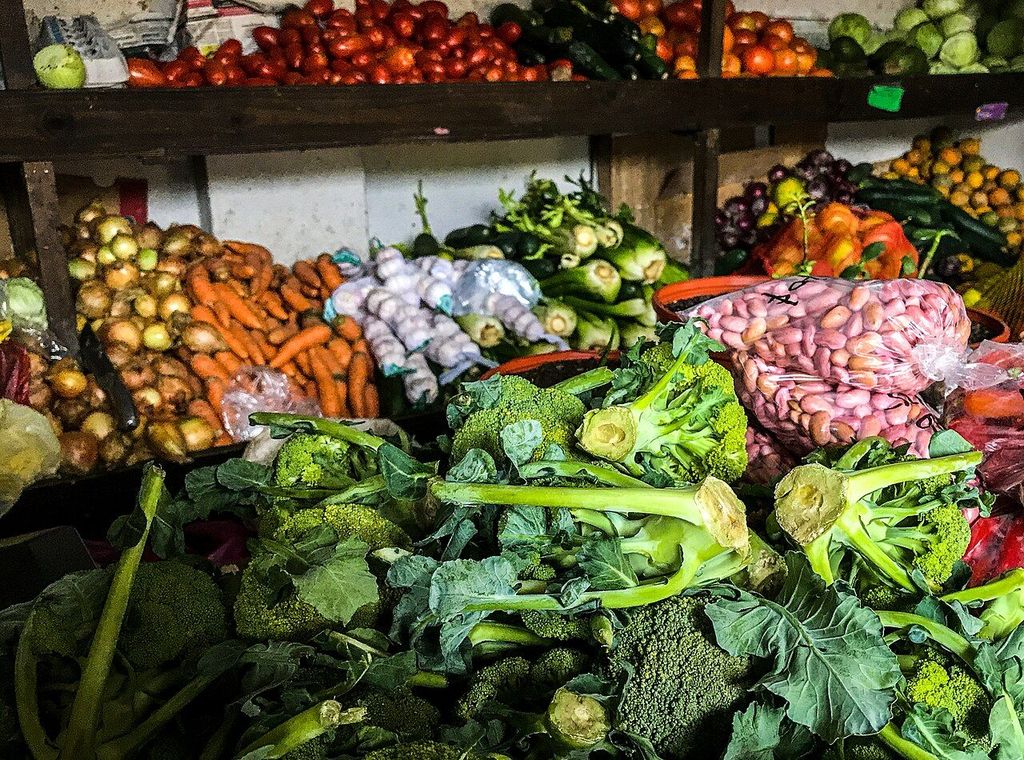
The programs share a common idea: the benefit is set by household size and income, and it is meant to cover part of what a household needs, not the whole grocery bill. Most households use more than one program at once, and the application for one program often asks whether you take part in another, because taking part in one can make you eligible for another.
SNAP: the main monthly food benefit
SNAP, the Supplemental Nutrition Assistance Program, is the largest nutrition program. It gives eligible households a monthly benefit on an EBT card, which works like a debit card at grocery stores, farmers markets and some online retailers. The benefit can be used for most foods, and it cannot be used for alcohol, tobacco, vitamins, medicines, hot prepared foods, or non-food items.
The income tests are set by federal law. For most households, gross monthly income must be at or below 130% of the federal poverty level, and net monthly income, after deductions for housing, childcare and medical costs, must be at or below 100%. Some households, such as those with an elderly or disabled member, are tested on net income only. The asset limits are also set by federal law, and many states have raised or removed them. Apply through your state SNAP agency, which is usually part of the state human services department, and the state will tell you the current figures for your household size.
WIC: food and nutrition help for mothers and young children
WIC, the Special Supplemental Nutrition Program for Women, Infants, and Children, supports pregnant and breastfeeding women, women who have recently given birth, infants and children under five. It provides food packages tailored to the participant, breastfeeding support, nutrition education and referrals to health care.
The income test for WIC is set at or below 185% of the federal poverty level, and applicants must live in the state where they apply and have a nutritional risk, which a health professional checks at the WIC clinic. Taking part in SNAP, Medicaid or Temporary Assistance for Needy Families can make you automatically income-eligible for WIC. Apply at your local WIC clinic, which you can find through your state health department.
School meals, Summer EBT and TEFAP
Children in participating schools can get free or reduced-price meals through the National School Lunch Program and the School Breakfast Program. Children in households with income at or below 130% of the federal poverty level qualify for free meals, and those between 130% and 185% qualify for reduced-price meals. Children in households taking part in SNAP, Medicaid in some states, or other listed programs are directly certified and do not need a separate application.
Summer EBT, also called SUN Bucks, gives eligible families a benefit for food during the summer, when school meals are not available, and SUN Meals serves free meals to children at schools, parks and community sites in the summer. TEFAP, the Emergency Food Assistance Program, supplies food to food banks and pantries, with each state setting its own income standard between 185% and 300% of the federal poverty level.
Senior nutrition programs
Seniors have their own nutrition help. The Commodity Supplemental Food Program, known as CSFP, provides a monthly food package to low-income seniors aged 60 and older in states that take part. The Senior Farmers Market Nutrition Program gives coupons for fresh produce at farmers markets, and congregate meal sites and home-delivered meals, often called Meals on Wheels, serve seniors who cannot cook or travel. Your local Area Agency on Aging can tell you which of these are available where you live.
Congregate meals: lunch with company at a senior center
Under Title III-C1 of the Older Americans Act, congregate meal programs serve a balanced meal — usually lunch — in a group setting: a senior center, community center, church hall or housing complex. The meal is the draw, but the company is part of the point: the programs are designed to reduce isolation as well as hunger, and most sites also offer nutrition education, health screenings and a link to other local services.
Anyone aged 60 or over can take part, along with their spouse at any age. There is no income test — unlike SNAP, the program does not ask about income or assets — and there is no application to a federal agency. Providers may ask for a voluntary contribution toward the cost of the meal, but the meal is not conditional on paying.
To find a site, contact your local Area Agency on Aging or call the Eldercare Locator at 1-800-677-1116. Many sites ask you to sign up in advance so they know how many meals to prepare, and some offer grab-and-go or drive-through meals alongside the sit-down lunch. If you can get out to a site, the congregate meal is usually the faster option to start — home-delivered meals, below, often have a waiting list.
Home-delivered meals: when getting out is hard
Title III-C2 of the Older Americans Act funds home-delivered meals for older adults who cannot get to a congregate site — because they are homebound, cannot shop or cook safely, or have no one at home to prepare meals. Meals on Wheels is the best-known local provider, but many areas have other providers under the same federal program, and the local Area Agency on Aging can tell you who delivers in your area.
Eligibility is the same as for congregate meals: aged 60 or over, spouse included, with no income test. Delivery is usually on weekdays, as hot or frozen meals, and the visit itself matters — the driver is often the only person the recipient sees that day, and a missed delivery is a signal that something may be wrong.
To sign up, contact the Area Agency on Aging or the Eldercare Locator at 1-800-677-1116 and expect a short assessment of need: the program is for people who cannot attend a meal site or prepare food themselves. Waiting lists exist in some areas, so sign up before the need becomes urgent, and ask about congregate meals or a senior center in the meantime. Our Meals on Wheels guide covers the largest provider in more detail.
How to apply
- For SNAP, apply through your state SNAP agency, online, by phone, by mail or in person. You will need ID, Social Security information, proof of income and proof of housing costs.
- For WIC, contact your local WIC clinic and make an appointment. Bring ID, proof of address and proof of income, and bring the children who are applying.
- For school meals, fill in the application your child's school sends home, or apply online through the school district. Children in households taking part in SNAP are usually certified automatically.
- For TEFAP food, use a food pantry or soup kitchen that takes part: there is no separate application.
- For senior programs, contact your local Area Agency on Aging or dial 211.
If you are denied, ask for the reason in writing and ask about an appeal. Denials often come from a missing document or a figure that was counted wrongly, and both can be fixed.
What You Need to Apply for Food Help
The most common reason a food application stalls is a missing document — and the most common reason people never apply is assuming they don't have the right papers. The rules are more flexible than most people expect, and they differ by program.
SNAP: file first, gather papers after. Your SNAP application is officially filed the day the office receives a form with your name, address, and signature — even if it is incomplete. That filing date starts the agency's 30-day deadline, so submit the form now and gather documents while it is being processed. The agency must verify four things (7 CFR 273.2): identity, residency, Social Security numbers, and income. Identity is only needed for the person applying on behalf of the household, and no office can demand one particular form of ID — a driver's license or state ID is easiest, but a birth certificate, passport, voter registration card, work or school ID, or health benefits card also works, and a photo ID is not required; if you have no formal ID at all, a signed statement from someone who knows you (a collateral contact) can satisfy the requirement. Every household member needs a Social Security number, or proof that one has been applied for. Residency can be shown with a lease, mortgage statement, utility bill, rent receipt, or official mail — or, if you are staying with someone else, a written statement from that person. For income, bring pay stubs covering the most recent 30 days (or an employer letter stating hours and pay), award letters for Social Security, SSI, unemployment, veterans' benefits, pensions, or child support, and — if you are self-employed — tax returns or a profit-and-loss statement. If you claim deductions for rent, childcare, or medical costs, bring receipts or statements for those too; they raise your benefit. The agency is required to help you get verification you cannot obtain yourself. If your household's gross monthly income is below $150 with under $100 in liquid resources, or your income plus resources is less than your rent and utilities, ask for expedited service: benefits within seven days instead of thirty. An interview with a caseworker is required before approval, even for expedited cases.
WIC: less paperwork if you already get help. At your WIC appointment, bring proof of identity, proof of address, and proof of income — and bring the children who are applying, since the clinic checks their nutrition risk at the visit. The shortcut: if anyone in the household receives SNAP, Medicaid, or TANF, the income test is already met and you do not need income documents. WIC does not ask about immigration status for the child applying.
School meals: the application is your word. The school meals application asks you to report your household income — you do not attach pay stubs. Only a small sample of approved applications (3 percent, drawn from those closest to the income limit) is checked each year, and districts must finish that check by November 15. Children in households on SNAP are certified automatically by data matching, with no application at all.
TEFAP and senior meals: the lightest touch. TEFAP food at pantries and soup kitchens works on self-declaration: you state that your household is within the income limit, and no ID, address proof, or citizenship proof can be required. Older Americans Act senior meals have no income test at all — anyone 60 or over can take part, and a provider may ask for a voluntary contribution but cannot condition the meal on paying. The one senior program with real paperwork is CSFP, which verifies age (60+) and income at enrollment. The SNAP eligibility guide and the WIC guide cover each program's rules in full.
Frequently asked questions
What are nutrition assistance programs?
They are the federal and state programs that help households buy food or receive it: SNAP, WIC, school meals, Summer EBT, TEFAP and senior food programs, run by the U.S. Department of Agriculture and state agencies.
Who qualifies for SNAP?
Most households qualify if gross monthly income is at or below 130% of the federal poverty level and net monthly income is at or below 100%. The exact figures depend on household size, and some households are tested on net income only.
Who qualifies for WIC?
Pregnant and breastfeeding women, women who have recently given birth, infants and children under five, with income at or below 185% of the federal poverty level and a nutritional risk checked at the WIC clinic.
How do school meals work?
Children in participating schools get free meals if household income is at or below 130% of the federal poverty level, and reduced-price meals between 130% and 185%. Children in households taking part in SNAP are usually certified automatically.
What is the difference between SNAP and TEFAP?
SNAP gives households a monthly benefit on an EBT card to buy groceries. TEFAP supplies food to food banks and pantries, and you receive it by using a pantry or soup kitchen that takes part.
Where do I apply for nutrition assistance?
For SNAP, through your state SNAP agency. For WIC, at your local WIC clinic. For school meals, through your child's school. For senior programs, through your local Area Agency on Aging or by dialling 211.
Do I have to be low-income to get senior meals?
No. Older Americans Act meal programs have no income test — anyone aged 60 or over can take part, along with their spouse at any age. Providers may ask for a voluntary contribution, but the meal is not conditional on paying.
Can I apply for SNAP if I don't have a photo ID?
Yes. A photo ID is helpful but not required — a birth certificate, voter registration card, work or school ID, or health benefits card also works, and a signed statement from someone who knows you can satisfy the identity requirement. File the application first; the agency must help you get verification.
Do I need to attach pay stubs to a school meals application?
No. You report your income on the application. Only about 3 percent of approved applications are checked each year, and children in households on SNAP are certified automatically.
Sources
- U.S. Department of Agriculture — Food and Nutrition Service — USDA Food and Nutrition Service, which runs the federal nutrition programs. Retrieved 2026-11-10.
- U.S. Department of Agriculture — SNAP — USDA page for SNAP, including eligibility and how to apply. Retrieved 2026-11-10.
- U.S. Department of Agriculture — WIC — USDA page for WIC, including eligibility and how to apply. Retrieved 2026-11-10.
- USA.gov — Food assistance — USA.gov starting point for food assistance. Retrieved 2026-11-10.
- Administration for Community Living — Senior Nutrition Program (Older Americans Act Title III-C): congregate meals (C1) and home-delivered meals (C2) for adults aged 60 and over; no income test; delivered through Area Agencies on Aging.
- U.S. Department of Agriculture — SNAP — Application documents (7 CFR 273.2): application filed on receipt of name, address and signature; 30-day decision deadline; expedited service within 7 days if gross monthly income below $150 with under $100 liquid resources, or income plus resources below rent plus utilities; identity verified for the applicant only, no single form of ID may be demanded, photo ID not required, collateral contact accepted; SSN for every household member or proof of application; residency by lease, utility bill, rent receipt, official mail or a statement from the person you live with; income by 30 days of pay stubs, employer letter, award letters, or self-employment records; agency must help obtain verification. School meals: self-reported income, 3% verification sample (error-prone applications), verification complete by November 15; SNAP direct certification at least 3 times a year. TEFAP: self-declaration, no ID/address/citizenship proof (7 CFR 251.5(b)(3)). WIC: SNAP/Medicaid/TANF participation meets the income test. Verified 2026-11-15 via eCFR, USDA, and TN/NE state education agencies.
Related guides
- Emergency Food Assistance: How to Get Food Today
- SNAP Eligibility: Federal Tests, Income Limits
- Food Pantry Guide: How to Get Free Groceries
- WIC Benefits: Who Qualifies, What You Get, and How to Apply
- SNAP Payment Dates by State
- TEFAP: The Emergency Food Assistance Program — Free Food
- Meals on Wheels: Who Qualifies, What It Costs
- Double Up Food Bucks: Twice the Fresh Food on SNAP
- Farmers Market Nutrition Program: WIC and Senior Coupons