Double Up Food Bucks: How SNAP Households Get Twice the Fresh Food
Double Up Food Bucks doubles the value of SNAP benefits spent on fruits and vegetables. Spend a dollar of SNAP on fresh produce at a participating location and you get a dollar back to spend on more produce. There is no separate application, no extra card and no waiting period: any household with an active SNAP EBT card can use it. The program started in Detroit in 2009 and now runs in more than 25 states at hundreds of locations — farmers markets, grocery stores and farm stands — with equivalent programs under different names in other states.
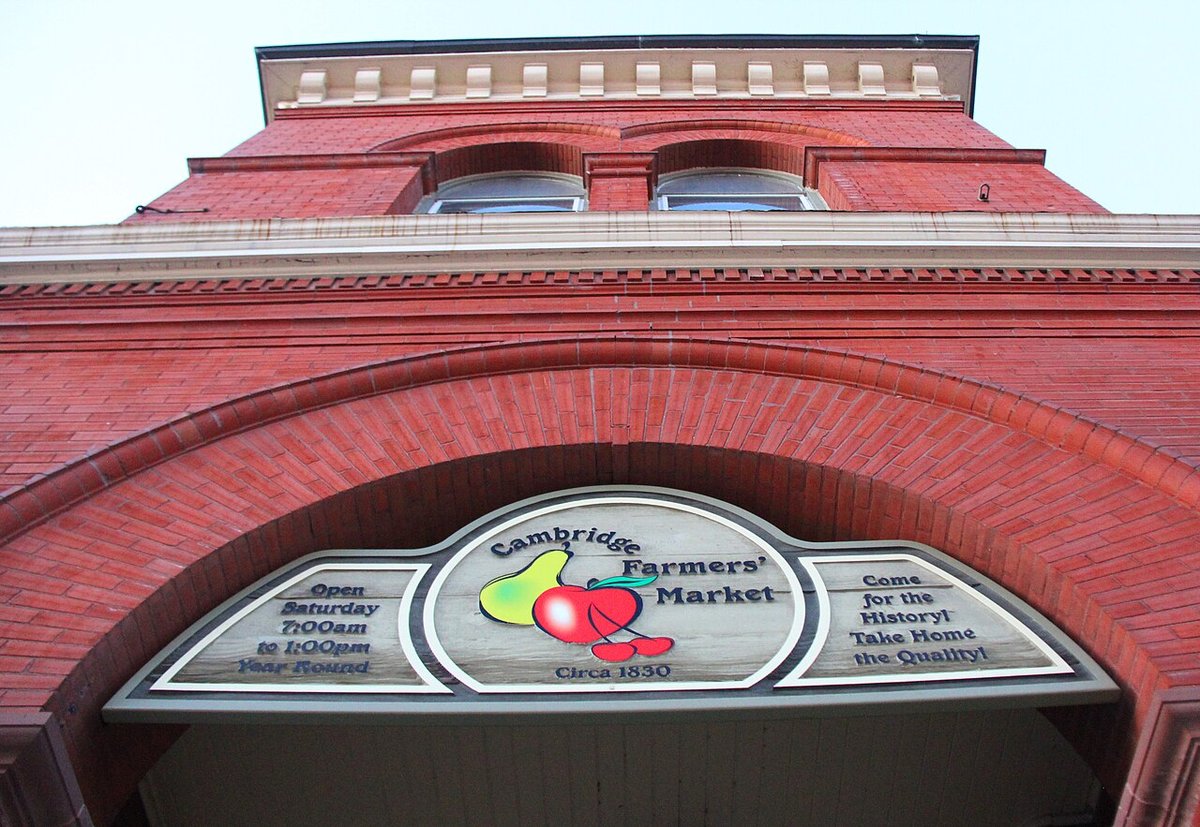
How Double Up Food Bucks works
The mechanics depend on the kind of location. At a farmers market, you usually swipe your EBT card at the market's information table for the amount you want to spend, and you receive tokens or vouchers: your SNAP amount in one form, and an equal amount in Double Up tokens for fruits and vegetables. At a grocery store, the match is usually applied at checkout — either as a discount on your next produce purchase or as credit loaded to a store loyalty account, depending on the state's system. Either way, the rule is the same: one SNAP dollar spent on qualifying produce earns one Double Up dollar for more produce.
Two details matter in practice. First, Double Up earned at one location generally cannot be redeemed at a different location — grocery-store credit stays with that store, and farmers-market tokens stay with that market's vendors. Second, the earned match usually has an expiry: in Michigan, earned Double Up expires after 90 days, so it pays to use it rather than stockpile it. Check the rules printed on your tokens or receipt at the location where you earn them.
Where Double Up Food Bucks is available
The program runs under the Double Up Food Bucks name in more than 25 states, including Michigan, Arizona, Colorado, New York, Oregon, Texas and New Mexico, at 900 or more participating locations. Fair Food Network, the nonprofit that launched the program in Detroit in 2009, operates it in Michigan and supports partner organizations running it elsewhere. In states where the Double Up name is not used, equivalent produce-incentive programs do the same job under local names — Market Match in California, Fresh Bucks in Seattle, Link Up Illinois, and others. The national locator at doubleupamerica.org covers all of them: pick your state and it shows participating Double Up locations or the equivalent program for your area.
How much you can earn: the daily cap
The match is capped per day, and the cap varies by state and by type of location. A typical grocery-store cap is around $20 a day, while farm-direct sites such as farmers markets often allow more — up to $50 a day in some states, including Michigan's grocery and farm-direct sites in 2026. Some states have removed the daily cap entirely: in Arizona, the $20 daily limit was lifted, so there is no cap on the match at participating farmers markets there. The cap is set by the state program, not by the federal government, so the only reliable figure is the one posted at the location where you shop. Ask at the information table or the customer service desk before you plan a large shop around the match.
What counts as qualifying produce
The match applies to fruits and vegetables, and the exact list varies by state. Fresh produce is covered everywhere. Michigan has expanded its program to include frozen fruits and vegetables with no added salt, sugar or fat. Some states cover locally grown produce only — in Arizona, Double Up can be spent only on Arizona-grown fruits and vegetables. Hot prepared food, supplements and non-produce groceries never qualify. If you are unsure whether something counts, ask the vendor or the market manager before you buy: a dollar spent on a non-qualifying item earns no match, and that is the most common avoidable disappointment.
No application needed
There is nothing to apply for and no eligibility check beyond the SNAP benefit itself. If your household receives SNAP, you already qualify. You do not need to enroll, register or show anything other than your EBT card. An EBT card from any state can earn Double Up — the program does not require your card to be issued in the state where you are shopping, though the match you earn can only be redeemed at the location where you earned it. That matters for households that shop across a state line: earn and redeem on the same side of the border, or the match may be unusable.
Who pays for the match
Double Up is funded in part through the federal Gus Schumacher Nutrition Incentive Program, established at 7 U.S.C. s. 7517, which provides grants for nutrition incentives at farmers markets and grocery stores. States, foundations and local partners add their own funding. The federal backing is why the program has spread from five farmers markets in one city to a national network — and why it is worth checking whether your state has a version, even if the Double Up name is not used there.
Getting the most from the match
A few habits make the match go further. Shop for produce first and use the match on the next trip rather than treating it as a bonus to spend immediately — the 90-day expiry in some states gives you time. Buy produce that is in season, when prices are lowest and the matched dollar buys the most. At a farmers market, compare vendors: prices vary, and the match doubles whatever you spend, so a lower base price means more food. And if your state has a grocery-store version as well as a market version, use both — they are separate programs with separate caps, and the grocery version covers the weeks when the market is closed for the season.
Frequently asked questions
What is Double Up Food Bucks?
Double Up Food Bucks is a nutrition incentive program that matches SNAP dollars spent on fruits and vegetables, dollar for dollar, at participating farmers markets, grocery stores and farm stands. It was launched in Detroit in 2009 by Fair Food Network.
Who can use Double Up Food Bucks?
Any household with an active SNAP EBT card. There is no separate application or enrollment — the SNAP benefit itself is the qualification, and an EBT card from any state can earn the match.
How much can I earn in a day?
It depends on the state and the location. Typical caps are around $20 a day at grocery stores and up to $50 a day at farm-direct sites such as farmers markets. Some states, including Arizona, have removed the daily cap.
Where can I find Double Up Food Bucks locations?
Use the national locator at doubleupamerica.org, which lists participating locations and equivalent programs by state. The USDA also maintains a locator for SNAP-authorized farmers markets.
What can I buy with Double Up Food Bucks?
Fruits and vegetables. Fresh produce qualifies everywhere; some states also cover frozen fruits and vegetables with no added salt, sugar or fat, and some restrict the match to locally grown produce.
Does my state have Double Up Food Bucks?
The program runs under that name in more than 25 states. Other states run equivalent programs under different names, such as Market Match in California and Fresh Bucks in Seattle — the locator at doubleupamerica.org shows both.
Sources
- Fair Food Network — Double Up Food Bucks — Program operator; Michigan program details, $50/day daily earning limit at grocery and farm-direct sites, 90-day expiry of earned Double Up.
- Double Up America — national locator — National locator for Double Up Food Bucks and equivalent produce incentive programs by state.
- USDA Food and Nutrition Service — farmers markets accepting SNAP — USDA locator for SNAP-authorized farmers markets.
- U.S. Code — Gus Schumacher Nutrition Incentive Program, 7 U.S.C. s. 7517 — Federal statutory basis for nutrition incentive funding.
Related guides
- SNAP Eligibility: Who Qualifies and How Income Limits Work
- Food Pantry Guide: How to Find Free Food Near You
- Emergency Food Help: Where to Get Food Today
- TEFAP: The Emergency Food Assistance Program
- Campus Food Pantry Finder: Free Food for Students
- SNAP for College Students: Eligibility and Exemptions
- SNAP Payment Dates by State
- SNAP Car Repair Help by State: TANF Supportive Services