Farmers Market Nutrition Program: WIC and Senior Coupons
A farmers market is one of the cheapest places to buy fresh produce in season, and for a family on WIC or a senior on a fixed income, the market can still be out of reach. The Farmers Market Nutrition Program closes that gap with coupons: paper coupons, or a card in some states, that buy fresh, unprepared, locally grown fruits and vegetables from an authorized farmer at a farmers market, a farm stand or a roadside stand.
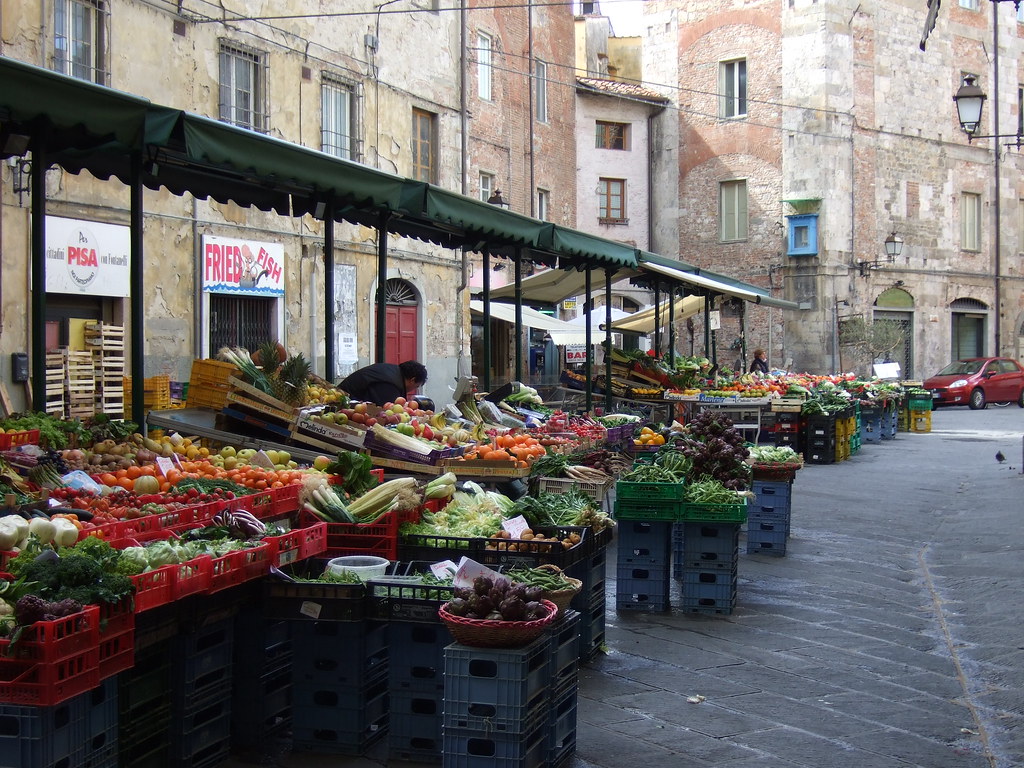
There are two programs under one name. The WIC Farmers Market Nutrition Program serves WIC participants, and the Senior Farmers Market Nutrition Program serves low-income seniors. We cover both, because the mechanics are the same and the people they serve often live in the same household.
How the program works
The Farmers Market Nutrition Program is a federal-state partnership run by the U.S. Department of Agriculture's Food and Nutrition Service. The federal government provides the funding, the state agency runs the program, and the coupons are handed out through the same local offices that run WIC or the senior nutrition programs. The coupons can only be used with authorized farmers, at farmers markets, farm stands and roadside stands — not at a supermarket, and not for food that is already prepared.
The coupons buy fresh, unprepared, locally grown fruits and vegetables, and herbs as well. The Senior program also allows honey in some states. The produce has to be locally grown, which is part of the point: the program is meant to support local farmers as well as to feed families. The coupons expire at the end of the season, and no change is given — if the produce costs less than the coupon, the farmer keeps the difference, so it pays to choose produce that uses the coupon well.
The WIC program
The WIC Farmers Market Nutrition Program serves WIC participants: pregnant women, breastfeeding women, women who have recently given birth, infants over four months old, and children up to age five. The coupons are handed out with the regular WIC benefits, usually once a year, and the federal benefit is between $10 and $30 per recipient per year, with an average of about $19. States can add their own money on top — New York, for example, provides $25 per recipient.
The coupons are for the WIC participant, not for the whole household, so a mother and a child each receive their own. The season usually runs from May to October, and the coupons have to be used before the season ends. Because the amount is small, the program is best used for the produce that is cheapest at the market in season — a bag of apples, a bunch of greens, a basket of tomatoes — rather than for a single expensive item.
The Senior program
The Senior Farmers Market Nutrition Program serves people age 60 and older with income at or below 185 percent of the federal poverty level, the same income line WIC uses. The benefit is between $20 and $50 per recipient per year, and the program reaches about 840,000 seniors a year, with about 85 percent of the coupons redeemed — a high rate for a coupon program, and a sign that seniors who get the coupons use them.
The Senior program began as a pilot in 2001 and became a permanent program because it worked. The coupons are handed out through the state agency on aging or the local area agency on aging, often at senior centers, and in some states they are mailed. The season usually runs from June to November, and like the WIC coupons, they expire at the end of the season.
Where the program is available
Not every state participates in the Farmers Market Nutrition Program, and the states that do participate run it differently — some use paper coupons, some use a card, and some hand the coupons out at the market itself. The state agency that runs WIC administers the WIC program, and the state agency on aging administers the Senior program, so the place to ask is the local WIC clinic or the local area agency on aging.
The list of authorized farmers and markets is published by the state agency, and the markets themselves usually display a sign. If you are a WIC participant or a senior and you have never been offered coupons, ask at your WIC clinic or senior center — in many states the coupons are handed out on a first-come basis and run out, so asking early in the season matters.
What the coupons do not cover
The coupons buy fresh, unprepared, locally grown produce, and nothing else. They do not buy eggs, meat, dairy, bread, honey in the WIC program, or any food that is already prepared. They do not work at a supermarket, even if the supermarket sells local produce, because the farmer has to be authorized by the program. And they do not roll over: a coupon that is not used by the end of the season is gone.
The program is also not a substitute for SNAP or WIC itself. The amounts are small — $10 to $30 for a WIC participant, $20 to $50 for a senior — and they are meant to add fresh produce to a diet that is already covered by the main programs. The value is in the produce, not in the dollars: a season of fresh vegetables from a local farm is worth more than the face value of the coupons.
Frequently asked questions
What is the Farmers Market Nutrition Program?
It is a federal-state program that gives WIC participants and low-income seniors coupons for fresh, unprepared, locally grown fruits and vegetables from authorized farmers at farmers markets, farm stands and roadside stands.
Who qualifies for WIC farmers market coupons?
WIC participants: pregnant women, breastfeeding women, women who have recently given birth, infants over four months old, and children up to age five. The federal benefit is $10 to $30 per recipient per year.
Who qualifies for the Senior Farmers Market Nutrition Program?
People age 60 and older with income at or below 185 percent of the federal poverty level. The benefit is $20 to $50 per recipient per year.
Can I use the coupons at a supermarket?
No. The coupons can only be used with authorized farmers at farmers markets, farm stands and roadside stands.
Do the coupons expire?
Yes. The coupons expire at the end of the season, usually in October or November, and no change is given.
Is the program available in every state?
No. Not every state participates, and the states that do run it differently. Ask at your local WIC clinic or area agency on aging.
Sources
- U.S. Department of Agriculture — Farmers Market Nutrition Program: WIC and Senior eligibility, benefit ranges, authorized farmers and markets, and the seasonal coupon rules.
Related guides
- WIC Benefits: Who Qualifies, What You Get, and How to Apply
- National School Lunch Program: School Meals, Eligibility
- Food Pantry Guide: How to Get Free Groceries
- Summer Food Service Program: Free Summer Meals for Kids
- Fresh Fruit and Vegetable Program: Free Snacks at School
- Free Car Seat Program: How to Get One Near You
- Free Crib Program: Safe Sleep Help and How to Find One
- WIC Breastfeeding Support for Parents: How Long It Lasts
- Baby Pantry and Free Baby Supplies: Where to Find Diapers