Summer Food Service Program: Free Summer Meals for Kids
When school closes for the summer, the school meals close with it — and for millions of children, those meals are the most reliable food of the day. The Summer Food Service Program, run by the U.S. Department of Agriculture's Food and Nutrition Service, fills that gap. It serves free meals and snacks to children 18 and under at approved sites all summer, with no application and no proof of income at open sites.
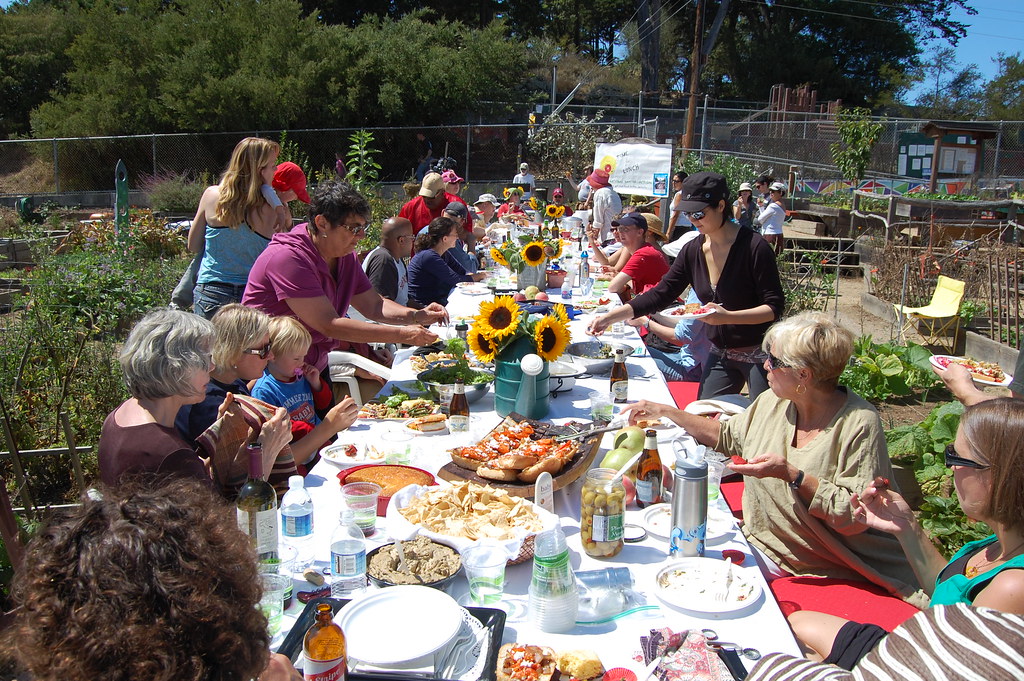
Here's how the program works, where the meals are served, how to find a site, and how it differs from the grocery benefit that many of the same families also receive in the summer.
How the program works
The Summer Food Service Program is federally funded and state-administered: the USDA pays for the meals, and a state agency — usually the state department of education — approves the sites and the sponsors that run them. A sponsor can be a school, a local government, a camp or a nonprofit. The sponsor sets up the sites, serves the meals, and claims reimbursement from the state.
At an open site, any child 18 or under can eat for free, with no application, no registration and no proof of income. The site has to be in an area where at least half the children are eligible for free or reduced-price school meals, or it has to serve a specific group of children, such as a camp or a program for children with disabilities. The meals follow the same nutrition pattern as school meals, and the sites serve lunch and often breakfast or a snack as well.
Where to find a meal
Meals are served at schools, parks, libraries, community centers, churches and apartment complexes — wherever children already gather in the summer. The USDA runs a Summer Meals Site Finder that lists sites by address, and the listings are updated regularly through the summer, with new sites added as sponsors open them.
There are three other ways to find a site. Text the word FOOD, or COMIDA in Spanish, to 304-304, and the service replies with the nearest sites. Call the USDA National Hunger Hotline at 1-866-3-HUNGRY, or 1-877-8-HAMBRE in Spanish, and an operator will look up sites for you. Or call 211, the local helpline that connects callers to food and other help in their area. All four routes are free, and none of them asks for income information.
The Seamless Summer Option
Schools have a second way to serve summer meals, called the Seamless Summer Option. Under that option, a school serves summer meals under the same rules as its school-year meals, which is simpler for the school because it does not need a separate program. For a family, the difference is invisible: the meal is free, the site is the same, and no application is needed at an open site.
The program is also known as SUN Meals, the name the USDA uses in its outreach. If you see a SUN Meals poster or a SUN Meals site listing, it is the same program — the Summer Food Service Program and the Seamless Summer Option, under one public name.
Summer meals and Summer EBT are different
Many of the same families also receive Summer EBT, known as SUN Bucks, and the two are easy to confuse. Summer EBT is a grocery benefit — money loaded onto a card to buy food at a store — while the Summer Food Service Program is a meal served at a site. A family can receive both at the same time, and many do: the grocery benefit covers food at home, and the meal site covers lunch out.
Summer EBT is run by the state and goes to children who are eligible for free or reduced-price school meals, usually automatically. The meal program does not need an application at all. If your child is eligible for Summer EBT, the benefit should arrive without you applying, and if it does not, your state agency is the place to ask.
What to expect at a site
Most sites serve meals at a set time, often for an hour or two around midday, and the meal is eaten on site — the child sits down and eats, the way they would in a school cafeteria. In rural areas, some sites are allowed to serve meals to go, because children may live too far from a site to come every day. The site will post its schedule, and the USDA site finder lists the days and hours for each location.
There is no sign-up and no ticket. A child can come every day the site is open, and a parent or guardian can come with them. In rural areas, some sponsors can also offer meals to go, because a child who lives far from a site cannot come every day — the site hands out several days of meals at once, so the family does not have to make the trip daily. Some sites run activities alongside the meals — reading programs, games, sports — and those are part of the point: the program is meant to keep children fed and occupied through the summer, not just to hand out a lunch.
Frequently asked questions
Who can get free summer meals?
Any child 18 or under can eat for free at an open Summer Food Service Program site, with no application and no proof of income.
How do I find a summer meal site near me?
Use the USDA Summer Meals Site Finder, text FOOD or COMIDA to 304-304, call the National Hunger Hotline at 1-866-3-HUNGRY or 1-877-8-HAMBRE, or call 211.
Do I need to sign up for summer meals?
No. Open sites serve any child 18 or under without an application, a registration or proof of income.
What is the difference between summer meals and Summer EBT?
Summer meals are food served at a site. Summer EBT, or SUN Bucks, is a grocery benefit loaded onto a card. A family can receive both at the same time.
Are summer meals served on weekends?
It depends on the site. Most sites serve on weekdays, and the USDA site finder lists the days and hours for each location.
Can an adult eat at a summer meal site?
The meals are for children 18 and under. Some sites serve adults as well, but adults are usually charged, and the free meal is the child's.
Sources
- U.S. Department of Agriculture — Summer Food Service Program: open sites, no application or income proof, the Summer Meals Site Finder, the text and hotline options, and the Seamless Summer Option.
Related guides
- Summer EBT (SUN Bucks): $120 Per Child for Summer Groceries
- National School Lunch Program: School Meals, Eligibility
- Food Pantry Guide: How to Get Free Groceries
- Child and Adult Care Food Program: Meals in Day Care
- Disaster SNAP Food Help vs Regular SNAP: Who Qualifies
- Special Milk Program: Free and Low-Cost Milk at School
- Farmers Market Nutrition Program: WIC and Senior Coupons
- School Breakfast Program: Free Breakfast at School
- Fresh Fruit and Vegetable Program: Free Snacks at School
- Meals on Wheels: Who Qualifies, What It Costs