Tax Refund Status: How to Track Your Refund and Fix a Delay
You filed your return. Now comes the part everyone actually cares about: where's the money? The IRS does give you a way to check, and the answer is usually concrete — your return arrived, it's being processed, or your refund is approved and on its way. The frustrating part is that the status doesn't always explain a delay. And a delay, on its own, doesn't always mean something went wrong. If the wait is the problem rather than the amount, some tax preparers offer a tax refund advance — a short-term loan against the refund, repaid when the refund arrives.
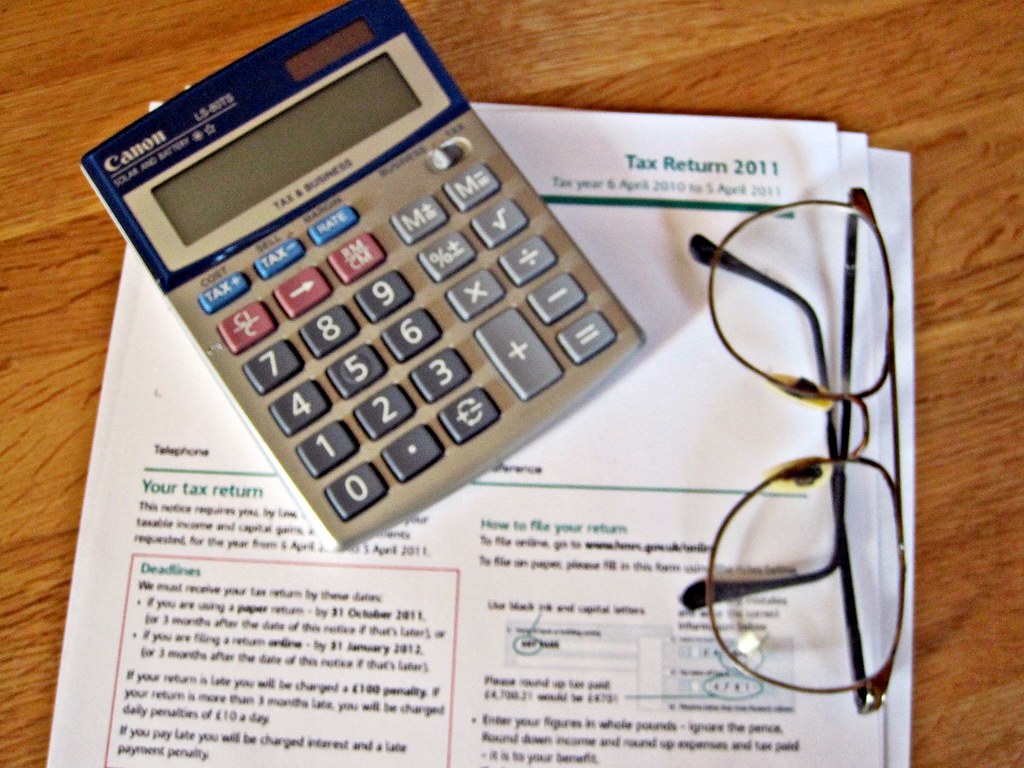
If you type “where is my refund” into a search engine, the first result is usually the IRS tax refund status tool — the official refund tracker, Where’s My Refund. A tax refund delay is the most common reason people use it: the tool shows whether the IRS has received your return, approved your refund, or sent it, and an IRS refund that is stuck at “received” for weeks usually means a review, a credit hold, or a letter on its way.
Here's the short version. Most refunds from an electronically filed return land within 21 days of the IRS accepting it — assuming the return is accurate and you chose direct deposit. Paper returns take longer. So do returns claiming certain credits, and returns the IRS decides to look at more closely. The status tool is where to check. Ringing the IRS before that normal window has passed almost never changes anything. Use the Refund Status Tracker on this site to check your own situation.
How to check your refund status
The IRS tool is called Where's My Refund. It asks for three things: your Social Security number, your filing status, and the exact refund amount from your return. Then it shows one of three stages — return received, refund approved, or refund sent. It refreshes once a day, usually overnight, so checking it five times before lunch won't surface anything new. Use the Refund Status Tracker on this site to check your own situation.
Keep your return beside you when you check, because the exact amount matters. Off by a dollar and it won't match. Filed jointly? Use the first Social Security number printed on the return. And if the tool can't find your return at all, give it time — a day or two after filing electronically, several weeks after filing on paper — before you start worrying that something's wrong.
What the stages mean
Return received means the IRS has your return and is working through it. Refund approved means processing is done, the refund is approved, and the IRS is getting it ready to send; the tool usually shows a date at this point. Refund sent means the money is gone — direct deposit to the account on your return, or a check to the address on your return — and the tool gives you the date it went out. Direct deposit normally shows up within a few days of that sent date. A check takes longer, because the mail takes longer.
When the status hasn't moved in a long time, or it's flashing a message asking you to do something, read that message slowly. Sometimes the IRS needs more information, and the letter that follows spells out what. Sometimes the return is under review, and reviews just take time. The tool itself won't tell you why a return is being reviewed. The letter will.
How Long Does It Take to Get a Tax Refund?
For most people, the answer is under three weeks. If you e-file an accurate return and choose direct deposit, the IRS issues most refunds within 21 days of accepting the return. A paper return is a different story: allow six weeks or more from the day the IRS receives it, because the return has to be opened, scanned, and entered by hand before processing even starts. Filing early in the season helps too — returns filed in January and February are processed before the March and April rush.
How the money reaches you matters as much as how fast the return is processed. Direct deposit usually lands in your account within a few days of the refund-sent date the tracker shows, while a paper check has to travel through the mail on top of that. If you chose direct deposit, double-check the bank details on your return before you file: a wrong account number sends the refund to the wrong place, and getting it back takes time.
The way to get your own date is the Where's My Refund tracker. It shows your status 24 hours after you e-file a current-year return, three days after an e-filed prior-year return, and four weeks after a paper return — and it gives you a personalized date once your refund is approved. It updates once a day, usually overnight, so the date it shows is the date to plan around, not the 21-day average. If the tracker shows no record after those windows, check that the refund amount you entered matches your return exactly, then contact the IRS.
Amended returns run on a much slower clock. If you filed Form 1040-X to correct a return, the IRS asks you to allow 8 to 12 weeks for processing, and some amended returns take up to 16 weeks. Amended returns do not appear in Where's My Refund at all — use the separate Where's My Amended Return tool, which shows a status about three weeks after you file. Do not file a second amended return while the first is still being processed; it only slows things down.
What slows a refund down? The most common cause is a return claiming the Earned Income Tax Credit or the Additional Child Tax Credit: the law bars the IRS from issuing those refunds before mid-February, however early you file. After that come errors on the return, income that does not match what the IRS has on file, an identity-verification letter, or a review the IRS decided to run. If your refund is past the normal window and the tracker has not moved, the tax refund diagnostic walks through the likely causes one by one. And if you are still waiting on a refund you have not yet filed for, the tax refund estimator can give you a rough idea of what to expect.
Why refunds are delayed
The single most common cause is a return claiming the Earned Income Tax Credit or the Additional Child Tax Credit. The law says the IRS can't issue those refunds before a set date in February, and the money still needs time to reach your account after that. That's not a mistake. It's how the law works, every year.
Then there's the rest of the list: a paper return, a wrong Social Security number or bank detail, income on the return that doesn't match what the IRS has on file, or a return picked for review. A wrong bank account number is the one that stings most — the refund goes to the wrong account, and getting it back takes time. Check the bank details before you file. Then check them again after.
Refund letters and identity checks
When the IRS needs something from you, it writes. The letter says what it needs, how to send it, and by when. The usual asks are identity verification, a missing form, or more detail about a credit you claimed. Reply the way the letter tells you to, and keep a copy of whatever you send. One thing never to do: click a link in a text or email about a refund. The IRS doesn't contact taxpayers by text or email about refunds. A message like that is a scam, full stop.
If the letter asks you to verify your identity, do it through the official IRS site or the number printed in the letter — nowhere else. Verification usually clears the hold, but don't expect the money the next morning. It still takes time to process after you verify.
The seasonal pattern: January to April
Refunds run on a season. Returns filed in January and February get processed first, and the sheer volume peaks in February and March. Three choices reliably cut the wait: file early, file electronically, and take direct deposit. The slowest combination is a paper return filed in April — and it's also the one most likely to come back with an error that needs fixing.
Don't plan a bill around a refund arriving on a particular day. The processing time is an estimate, and a review or a correction can add weeks. If money is tight right now, a refund isn't a dependable plan. A refund anticipation loan — a loan against the refund you're expecting, with a fee attached — is one of the pricier ways to get the money sooner.
Common mistakes
People trip over the same few things: typing the wrong refund amount into the status tool, refreshing it all day when it only updates overnight, and calling the IRS before the normal processing time is up. Others take out a refund anticipation loan without really grasping the fee. And some just ignore an IRS letter — which turns a delay into a much longer one.
Watch out for anyone who offers to speed up your refund for a fee. There is no paid fast track; the IRS doesn't sell one. Filing early, filing electronically, and choosing direct deposit is the whole shortcut, and it's free.
An 'IRS TREAS 310' deposit in your bank account
A bank statement line that reads IRS TREAS 310 is a direct deposit from the IRS, sent through the U.S. Treasury's Bureau of the Fiscal Service. The 310 is the code for a federal direct deposit. The short descriptor after it tells you what the money is, and that descriptor is the part worth reading.
TAX REF means a refund from a filed tax return — including an amended return, or an adjustment the IRS made to your return. This is the most common TREAS 310 deposit, and refundable credits such as the Earned Income Tax Credit and the Additional Child Tax Credit arrive the same way, as TREAS 310 with a TAX REF descriptor. TAXEIP3 was the third Economic Impact Payment, the stimulus payment; CHILDCTC was the advance Child Tax Credit payment. Both of those were 2021 programs, and no similar program is running in 2026, so a new TREAS 310 deposit today is almost always a tax refund.
If part of your refund was taken to pay a debt through the Treasury Offset Program, the offset portion typically shows code 449 instead of 310. If the amount does not match the refund you expected, check your IRS online account or your account transcript, or use the refund status tool described above — do not assume the deposit is a mistake or a scam. But if you did not file a return and a deposit appears anyway, contact the IRS before spending it.
How to check a state tax refund
Your federal refund and your state refund are two separate payments, tracked in two separate places. The IRS Where's My Refund tool only covers the federal refund. A state refund is tracked through your state tax department, and each state runs its own lookup tool with its own timing - a state refund can arrive days or weeks apart from the federal one, and a delay in one says nothing about the other.
To check a state refund, go to your state tax department's website and look for its refund status tool. You will usually need your Social Security number, the filing status from the return, and the exact refund amount you claimed. New York taxpayers can use the New York State Tax Department's online refund tool, which shows whether the return was received, is being processed, or has been refunded, and it also shows the date a direct deposit was sent or a check was mailed. Other states work the same way under different names - search for your state tax department plus "check refund status" rather than trusting a third-party site.
Two things cause most of the confusion. First, state tools often take longer than the IRS tool to show a return, especially early in the filing season, so a return that shows as received federally may not appear in the state system yet. Second, a state can offset a refund against a debt - unpaid state tax, child support, or a court-ordered payment - and the state tool or a letter from the department will show that. If the tool shows no record after several weeks, check that you entered the refund amount exactly as filed, then call the state department using the number on its own website.
Frequently asked questions
How long does a tax refund take?
Most refunds from electronically filed returns are issued within 21 days of acceptance, when the return is accurate and the refund is paid by direct deposit. Paper returns take longer — sometimes much longer.
Why is my refund delayed?
Usually it's a claim for the Earned Income Tax Credit or Additional Child Tax Credit, a paper return, an error in the return, or a review. When the IRS needs information from you, the letter it sends explains the reason.
How often does the refund status update?
Once a day, usually overnight. Checking several times a day doesn't give you new information — the status simply hasn't changed yet.
Does the IRS contact me by text about a refund?
No. The IRS does not contact taxpayers by text or email about a refund. A message like that is a scam — don't click anything in it.
How long does it take to get a tax refund by direct deposit?
Most refunds from electronically filed returns are issued within 21 days of acceptance, and direct deposit usually reaches your account within a few days of the refund-sent date. A paper check takes longer because it has to travel through the mail.
How long does an amended tax return take?
Allow 8 to 12 weeks for a Form 1040-X, and up to 16 weeks in some cases. Amended returns do not show in Where's My Refund — use the Where's My Amended Return tool, which shows a status about three weeks after you file.
Can I direct deposit my tax refund into a savings account?
Yes. Enter the savings account routing number and account number on your return, the same way you would for a checking account. If you want to split the refund between accounts — part to checking, part to savings — attach Form 8888, which lets you divide it across up to three accounts at U.S. financial institutions, with at least $1 in each.
How long does it take to find out if my return was accepted?
If you e-filed, your tax software or preparer sends you a confirmation once the IRS accepts or rejects the return, and Where's My Refund shows the return within 24 hours of e-filing a current-year return. A paper return takes about four weeks to appear in the system.
How do I check my state tax refund status?
Each state runs its own refund tracker, usually on the state tax agency's website — the federal Where's My Refund tool does not track state refunds. You will typically need your Social Security number, the exact refund amount, and the tax year. New Jersey and New York each have their own trackers, covered in the state refund guides linked below.
Sources
- Internal Revenue Service — Where's My Refund: three stages, daily update; most electronic refunds within 21 days; refunds for returns claiming the Earned Income Tax Credit or Additional Child Tax Credit are held until February by law.
- Internal Revenue Service — IRS does not contact taxpayers by text or email about refunds.
- Taxpayer Advocate Service — Got a Direct Deposit From the IRS but Not Sure What It Is For — IRS TREAS 310 is a direct deposit from the IRS via the Bureau of the Fiscal Service; TAX REF is a refund, TAXEIP3 the third Economic Impact Payment, CHILDCTC the advance Child Tax Credit. Retrieved 2026-11-12.
- Internal Revenue Service — Where's My Amended Return — Allow 8 to 12 weeks to process an amended return (Form 1040-X), up to 16 weeks in some cases; status available 3 weeks after you submit it; covers the current year and 3 prior years. Retrieved 2026-11-16.
- Internal Revenue Service — Form 8888, Allocation of Refund: split a direct-deposit refund across up to three accounts (checking, savings, IRA, HSA) at U.S. financial institutions, at least $1 per account; a refund going to one account needs only the direct deposit lines on the return. Retrieved 2026-11-16.
Related guides
- Tax Refund Diagnostic: Why Your Refund Is Delayed and What to Do
- IRS Tax Transcript Codes: What They Mean and How to Read Them
- Free Tax Help: VITA and TCE — Who Qualifies and What to Bring
- W-4 Form: How to Fill It Out Step by Step
- Stimulus Check 2026: Is There a New Federal Payment?
- IRS Payment Plan: Set Up an Installment Agreement
- NJ Tax Refund Status: How to Check Your New Jersey Refund
- NY Refund Status: Check Your New York Tax Refund