Community Development Block Grant (CDBG): How It Works
The Community Development Block Grant — CDBG — is the federal government's most flexible community development program. It is run by the U.S. Department of Housing and Urban Development under Title I of the Housing and Community Development Act of 1974, and it gives formula grants to cities and counties, which then decide how to spend them: on streets and sewers, on housing repair, on a neighborhood center, on jobs, or on services for low-income residents.
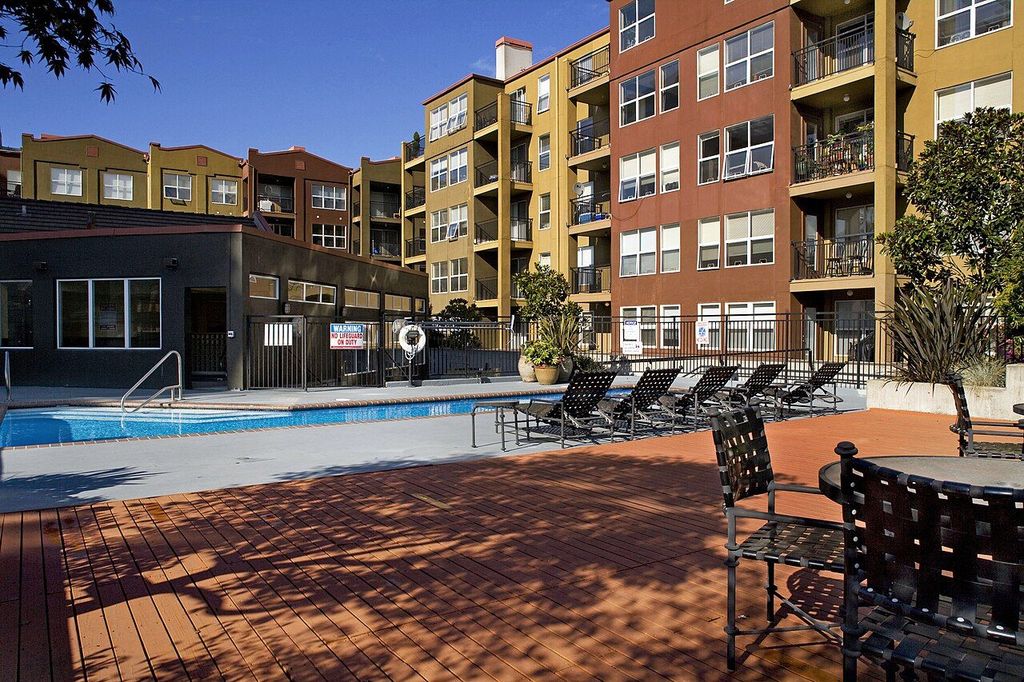
Here's who receives CDBG funds, what they can be spent on, the rules that keep the money focused on low- and moderate-income people, and what it means for a resident when a project in their neighborhood is CDBG-funded.
Who receives CDBG funds
CDBG goes to entitlement communities and to states. An entitlement community is a principal city of a metropolitan area, another city with a population of 50,000 or more, or an urban county with a population of 200,000 or more. There are more than 1,100 entitlement communities, and each one receives a formula grant directly from HUD every year.
The rest of the money goes to the states — 49 states and Puerto Rico — which run a competitive process to award it to smaller cities and counties that are not entitlement communities. Hawaii does not receive a state CDBG allocation in the same way, because its counties are entitlement communities. The state decides which projects to fund, and the local government applies to the state.
The three national objectives
Every CDBG activity has to meet one of three national objectives. The first, and the one that matters most, is benefiting low- and moderate-income persons. The second is preventing or eliminating slums or blight. The third is meeting an urgent need — a serious and immediate threat to health or welfare that no other funds can address.
At least 70 percent of a community's CDBG funds over a one- to three-year period have to benefit low- and moderate-income persons. For an area benefit — a project that serves a neighborhood rather than specific people — the area has to have at least 51 percent low- and moderate-income residents. Those two rules are what keep the program focused on the people it was created for.
What CDBG can pay for
CDBG can pay for real property acquisition, rehabilitation of housing and other buildings, public facilities such as water and sewer lines, streets, sidewalks and neighborhood centers, public services within limits, economic development and job creation, relocation and demolition, and energy conservation. The list is wide, and it is meant to be: a city can use CDBG to fix a street, to repair a senior center, to help a small business, or to fund a meals program for older residents.
There are limits. CDBG cannot be used for government buildings, for certain income payments, or — generally — for new housing construction. A city cannot use CDBG to build a new city hall, to pay people's rent, or to build new houses from scratch, although it can use it to repair existing housing and to help a homebuyer with a down payment. The limits are set by the law and by HUD's regulations, and the city's CDBG office is responsible for following them.
How a resident is affected
For a resident, CDBG is usually invisible until a project starts in their neighborhood: a street is repaved, a water line is replaced, a senior center is renovated, or a housing repair program opens applications. The project will usually say it is funded by CDBG, and the city has to hold a public hearing before it spends the money, so residents can comment on the plan.
If you need help that a CDBG project provides — a housing repair, a down payment, a public service — the application is to the city or county that received the grant, or to the nonprofit the city funds to run the program. HUD does not fund individuals or nonprofits directly, and there is no application to HUD. The city's CDBG office, or its housing department, is the place to ask.
CDBG and the other HUD programs
CDBG is often used together with the other HUD programs. A housing project can combine CDBG funds for the infrastructure — the street, the sewer, the sidewalk — with HOME funds for the housing itself, and with a Section 8 voucher for the tenant. A neighborhood can use CDBG for a community center and HOME for the apartments next door. The programs are designed to be combined, and the local government is the one that puts the package together.
The difference between CDBG and HOME is the scope. HOME is used only for affordable housing. CDBG can be used for housing, but also for streets, water, jobs, services and economic development. If a project is about housing, it is probably HOME or a housing program. If it is about the neighborhood around the housing, it is probably CDBG.
Frequently asked questions
What is the Community Development Block Grant?
CDBG is a HUD formula grant program, created by the Housing and Community Development Act of 1974, that gives cities and counties flexible funding for community development — housing, public facilities, economic development and public services.
Who receives CDBG funds?
Entitlement communities — principal cities of metropolitan areas, other cities of 50,000 or more, and urban counties of 200,000 or more — receive grants directly from HUD. Smaller communities apply to their state, which runs a competitive process.
What can CDBG pay for?
Real property acquisition, rehabilitation, public facilities such as water and sewer lines and streets, public services within limits, economic development and job creation, relocation and demolition, and energy conservation.
Can CDBG build new housing?
Generally no. CDBG cannot be used for new housing construction, although it can be used to repair existing housing and to help a homebuyer with a down payment.
Can I apply for CDBG funds directly?
No. HUD does not fund individuals or nonprofits directly. You apply to the city or county that received the grant, or to the nonprofit it funds to run the program.
How much of CDBG has to help low-income people?
At least 70 percent of a community's CDBG funds over a one- to three-year period has to benefit low- and moderate-income persons.
Sources
- U.S. Department of Housing and Urban Development — Community Development Block Grant: entitlement communities, the three national objectives, the 70 percent low- and moderate-income rule, and eligible and ineligible activities.
Related guides
- HOME Investment Partnerships Program: Affordable Housing
- Continuum of Care Program: HUD Homelessness Grants
- Emergency Solutions Grants: Shelter and Rapid Rehousing
- Public Housing: How It Works, Who Qualifies
- Section 8 Housing Choice Voucher: How the Program Works
- Adoption Assistance: Monthly Payments, Medicaid
- Affordable Housing Application: How to Apply
- Can You File Taxes with No Income? What to Know
- Charitable Deduction 2026: The New $1,000 Deduction